

Ashland Small-Town Move: 9 Questions to Ask Before You Fall in Love
There's a particular kind of charm that hits you in a place like Ashland: slower mornings, familiar faces, and the feeling that you can actually hear yourself think. Small-town living can be exactly what you've been craving—more space, less stress, and a community that feels grounded. But before you mentally place your furniture and start planning porch-sitting season, it helps to ask a few practical questions. The goal isn't to talk you out of it—it's to make sure the version you're imagining matches the day-to-day reality.
1) What does "small-town" really mean for your routine?

In a smaller community, errands don't always work the way they do in a larger city. Consider how often you'll drive for groceries, medical appointments, specialty services, or big-box shopping—and how comfortable you are with planning ahead. Some buyers love the simplicity; others discover that spontaneity costs extra time in the car.
Try this: map your weekly "musts" (work, school, fitness, medical, family) and estimate drive times at the hours you'll actually travel. The picture can still be wonderful—just clearer. And clarity is what keeps "charming" from turning into "inconvenient."
2) How strong is your connection to nearby job centers?
Even if you work remotely now, employment can change. Ask yourself whether you're choosing Ashland as a forever base or as a chapter—and what commuting options look like if plans shift. It's also worth checking cell coverage and internet reliability for your exact target areas, especially if you're considering homes on larger lots or more rural roads.
If your household has two working adults, game out a few "what if" scenarios: one person changes jobs, a hybrid schedule becomes mandatory, or travel increases. A move feels far easier when your location can flex with life.
3) What does the housing stock look like—and what will it cost to maintain?
Small towns often offer a mix of classic homes with character, newer builds, and properties with more land than you'd find elsewhere. That can be a dream—until you realize your dream includes a long driveway, mature trees, a septic system, or older mechanicals. None of those are deal-breakers; they just require eyes open and a realistic maintenance budget.
Practical tip: When touring, ask about roof age, HVAC service history, insulation, windows, and water heater age. If there's acreage, ask what's regularly maintained (mowing, brush clearing, pest control) and what's more occasional but costly (tree removal, drainage work, fence repairs).
4) Are you buying a lifestyle—or a weekend fantasy?
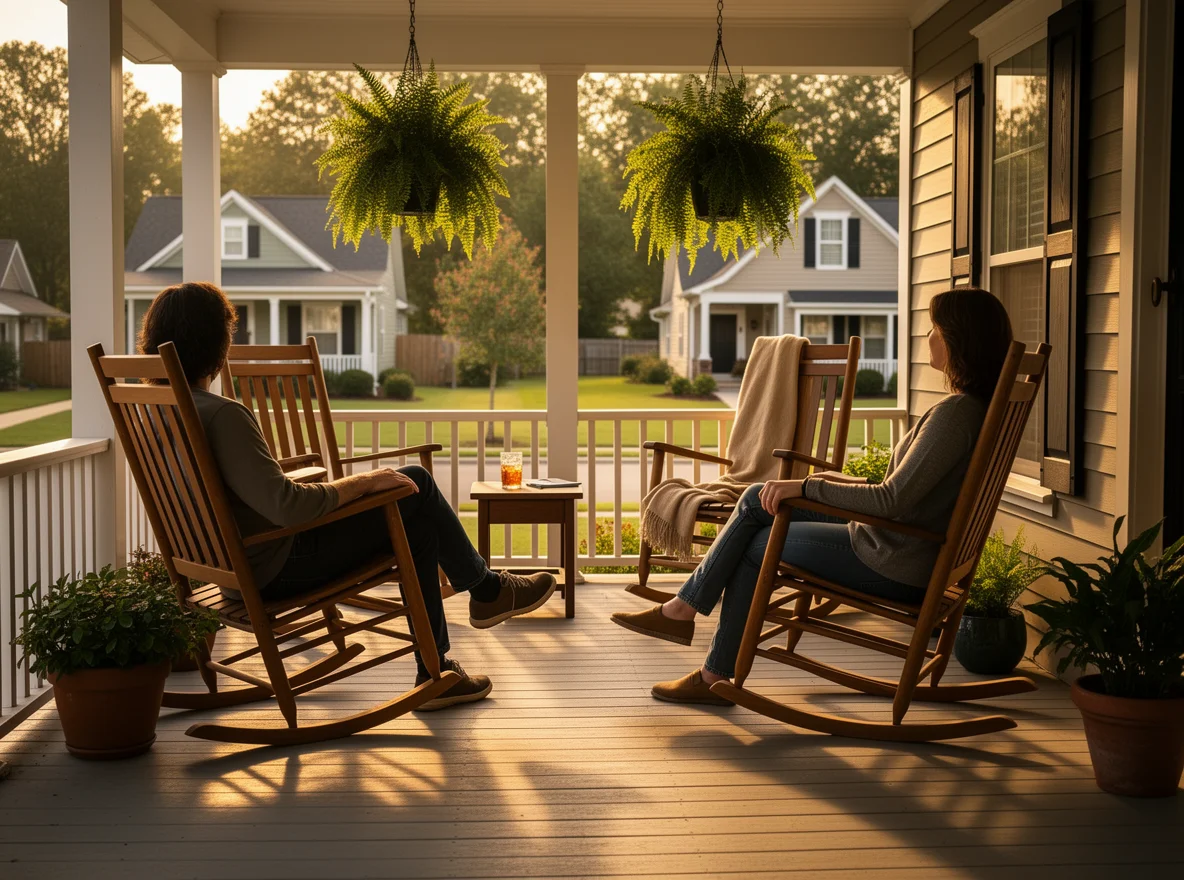
One of the best parts of a small-town move is the way daily life can feel more human: casual conversations, familiar routes, and a pace that encourages you to breathe. But lifestyle isn't just the pretty moments. It's also Tuesday afternoons, rainy weeks, and the month when everything needs fixing at once.
Ask yourself what you want to do more of: gardening, hosting, hiking, home projects, volunteering, quiet evenings, or simply having room to spread out. Then match your home search to those priorities. A large yard is wonderful if you love being outside; it can feel like a second job if you don't. The "right" choice is the one that supports your actual habits.
Also, consider how you meet people. Community character matters: do you like showing up to local events, joining groups, or chatting with neighbors? If you're more private, you may prefer a home that offers space and a buffer—while still letting you participate on your own terms.
5) What are your non-negotiables for schools and youth activities?
Even if you don't have school-aged kids, schools affect community energy and long-term resale. If you do have children, go beyond ratings: ask about class sizes, programs, athletics, arts, and the practical logistics of drop-off and after-school schedules. In smaller areas, families often build strong networks through school and extracurriculars, and that can become a cornerstone of your social life.
If you're buying with a longer timeline, consider how future needs might change—driving independence for teens, access to tutoring, and how far you want to be from activities. A home that feels perfect for elementary years might feel less ideal later if everything requires a longer drive.
6) Where will you spend your "third place" time?
A lot of people move to a smaller town thinking they'll spend more time at home—and they do—but it helps to identify your "third place," the spot that isn't work or home. It could be a park, a community center, a walking route, a local gathering space, or a place to catch high school games. Those routines are what make a town feel like yours.
When you visit, notice what you naturally do after you tour homes. Do you want a quiet scenic drive? Do you want easy access to weekend recreation? Do you want to be close to friends or family in the region? The answer will guide neighborhood choices more than any feature list.
7) What does the real estate market feel like right now?
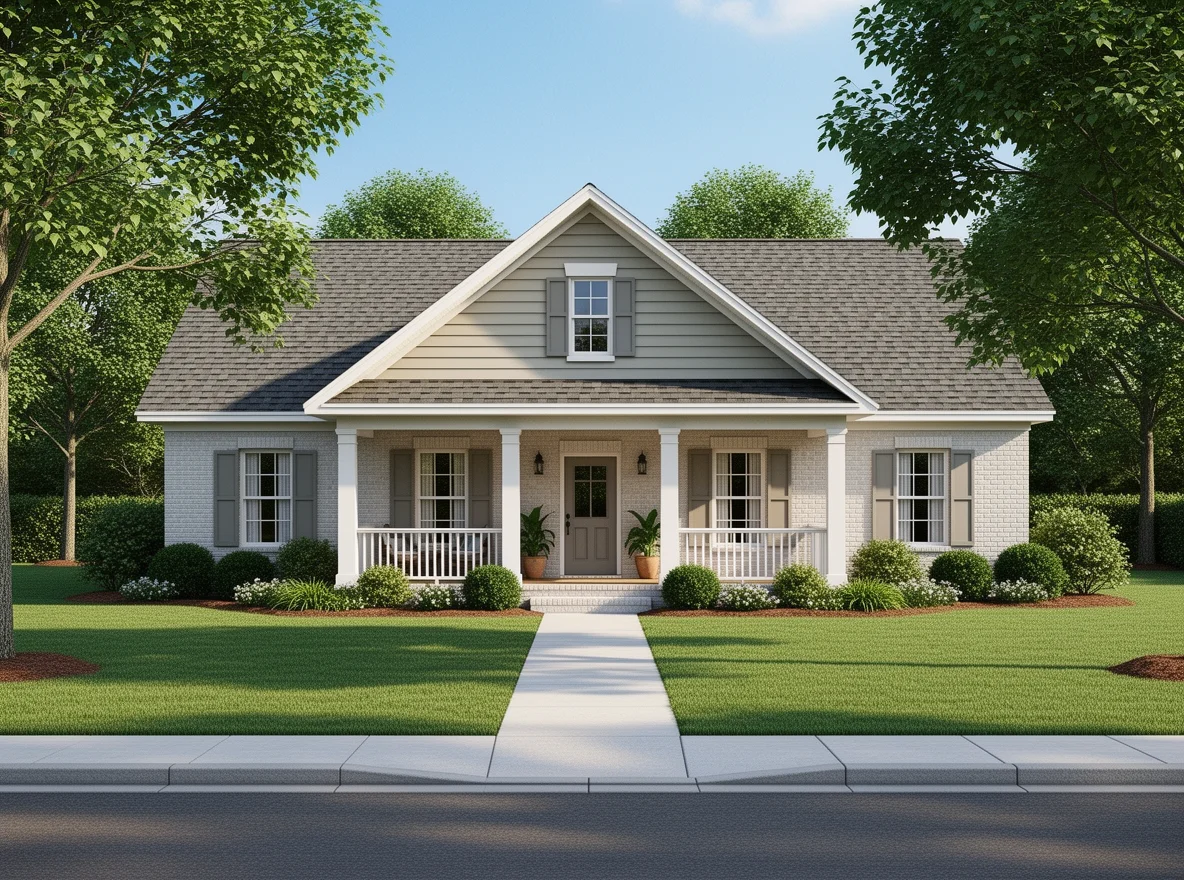
Small-town markets can behave differently than metro areas. Inventory may be more limited, and the "perfect" home might not appear on your timeline. On the flip side, you may find more value per square foot, larger lots, and homes with features that would be out of reach elsewhere.
Ask questions that reveal momentum: How long are homes typically taking to sell? Are multiple offers common in certain price points? Which property types move fastest—updated interiors, acreage, newer builds, or classic homes near town? Understanding these patterns helps you decide how assertive to be when the right one hits the market.
Local-market guidance matters here. Cotton State Realty, LLC focuses on the Sylacauga and Childersburg area, and that kind of nearby, on-the-ground perspective can help you price a home realistically, spot red flags early, and recognize when a listing is a true fit versus a shiny distraction.
8) What should you know about utilities, land, and property specifics?
Before you fall for a porch swing or a pretty view, dig into the unglamorous details. If you're considering land, ask about boundary clarity, easements, and how the property drains after heavy rain. For rural-leaning homes, confirm water source, septic status, and whether service providers meet your needs. These specifics don't just affect comfort—they affect financing, inspections, and future resale.
It's also wise to check how you'll use the property: space for a garden, pets, outbuildings, or a workshop. If you have a vision, verify it's realistic for the parcel and local guidelines. The best surprises are the happy kind—not the "we didn't realize" kind.
9) How will you feel here in six months—not just on moving day?
The final question is emotional and practical at the same time. Picture a normal week after the novelty fades. Where will you walk? How will you recharge? Who will you call for help if something breaks? Do you feel energized by quiet, or do you need frequent variety?
If you're weighing a move to Ashland, give yourself permission to take it slow: visit at different times of day, drive the routes you'd drive, and test the everyday rhythm. When you're ready to turn curiosity into a plan, connect with Rene Harris at Cotton State Realty, LLC for local insight, realistic comparisons, and a home search that fits the life you're actually building—not just the one that looks good in your head.